
FOR ADVANCED MASSAGE THERAPISTS
THE WOODLIEF METHOD LEVEL 1
Seeing the Body Differently
Know what to do next.
A 15-hour, hands-on training for experienced massage therapists and bodyworkers who want to become more confident in what they notice, why they choose a technique, and what the body is telling them to do next.
November 7–8, 2026
Beaverton, Oregon
15 OBMT Contact Hours
Maximum 12 practitioners
$1,497
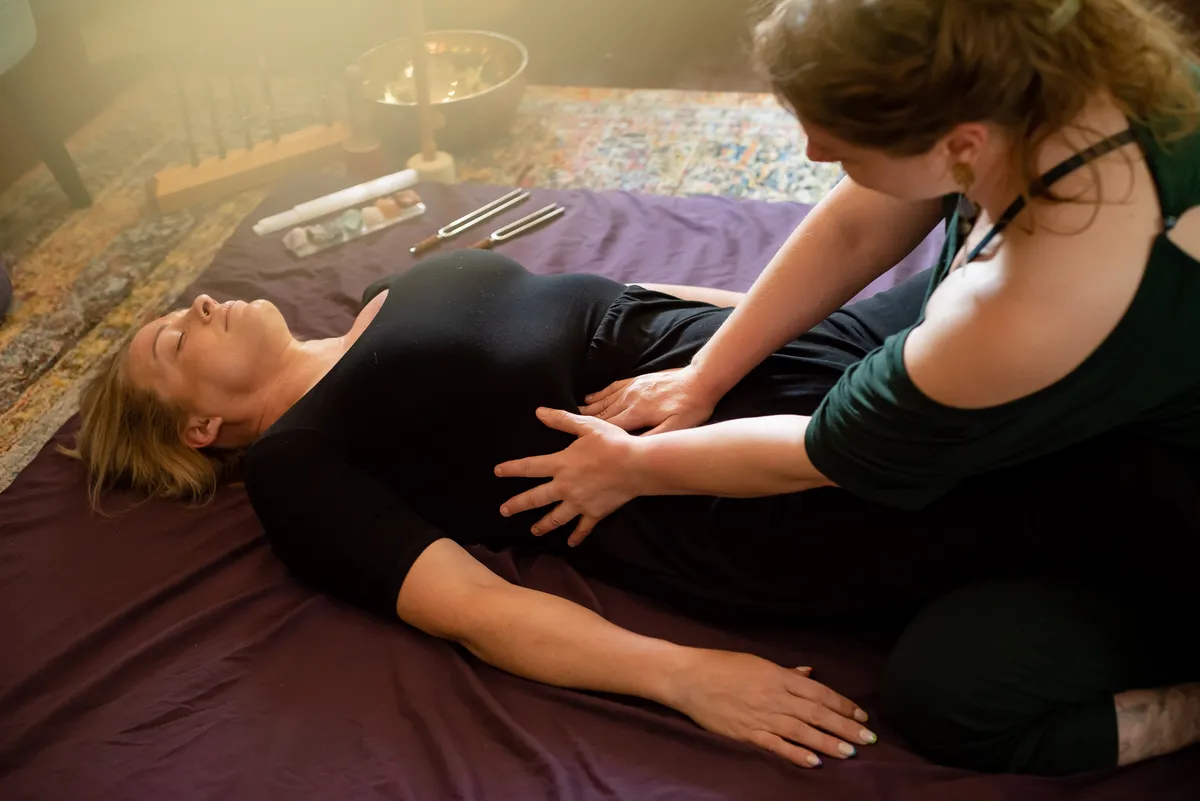

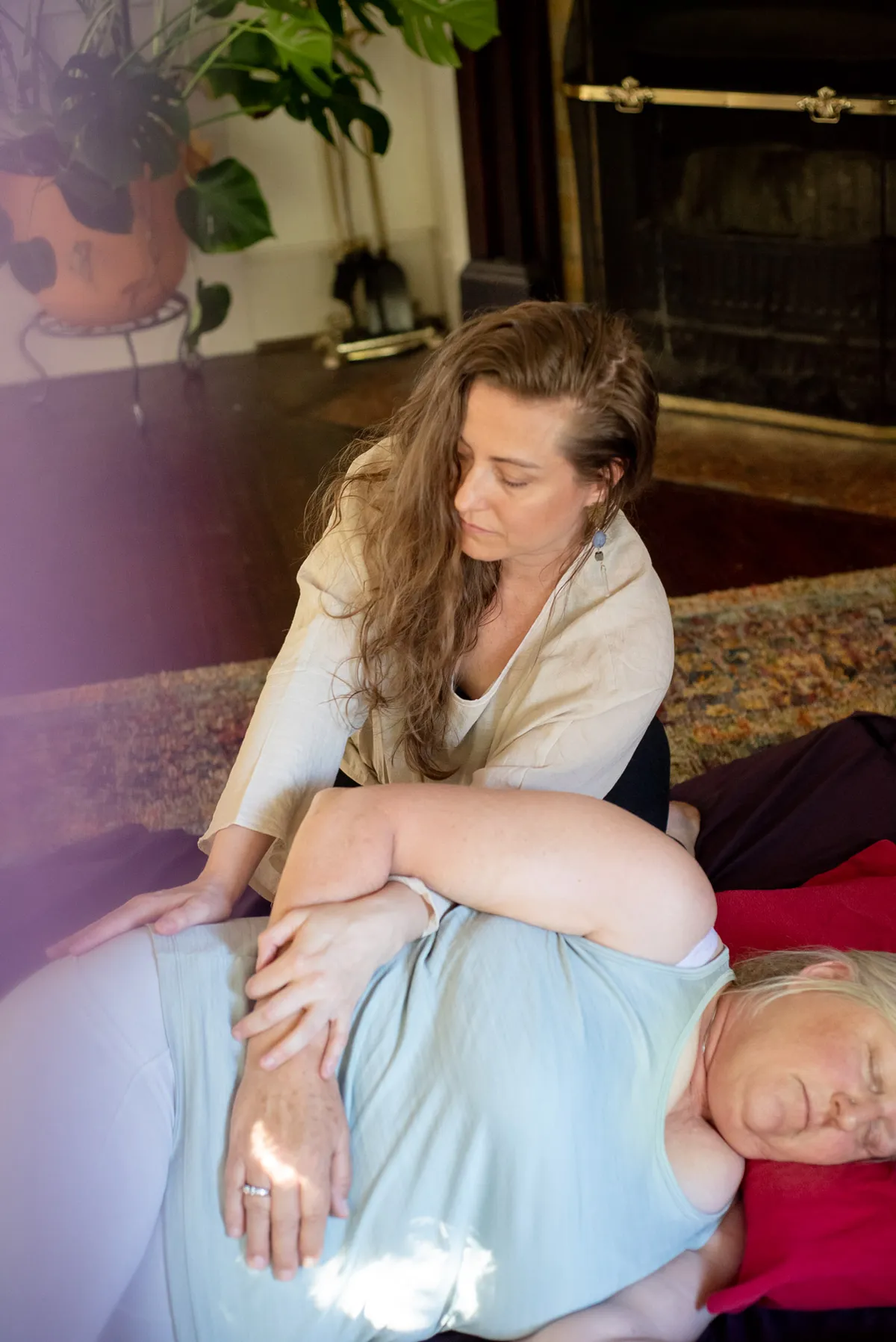
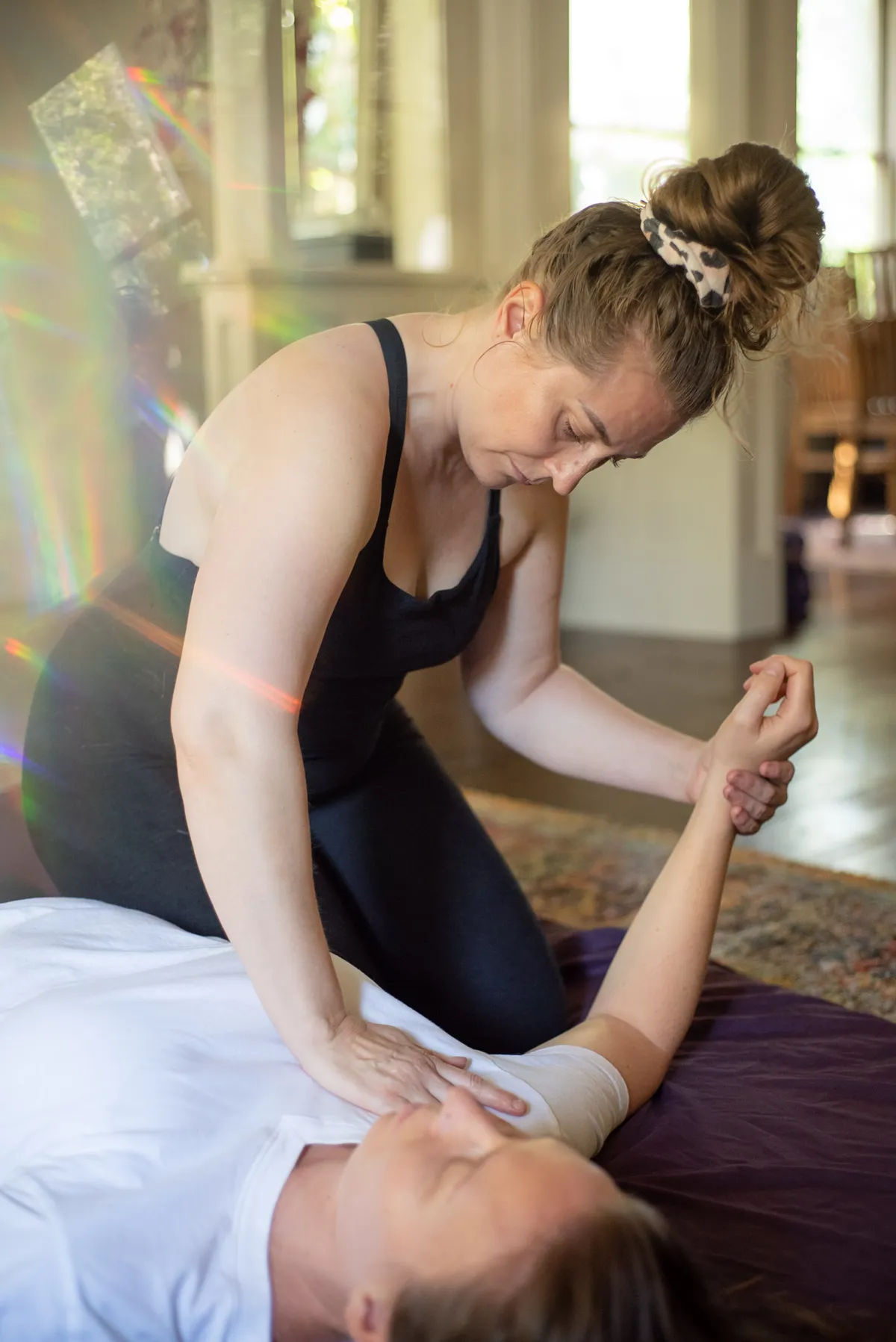
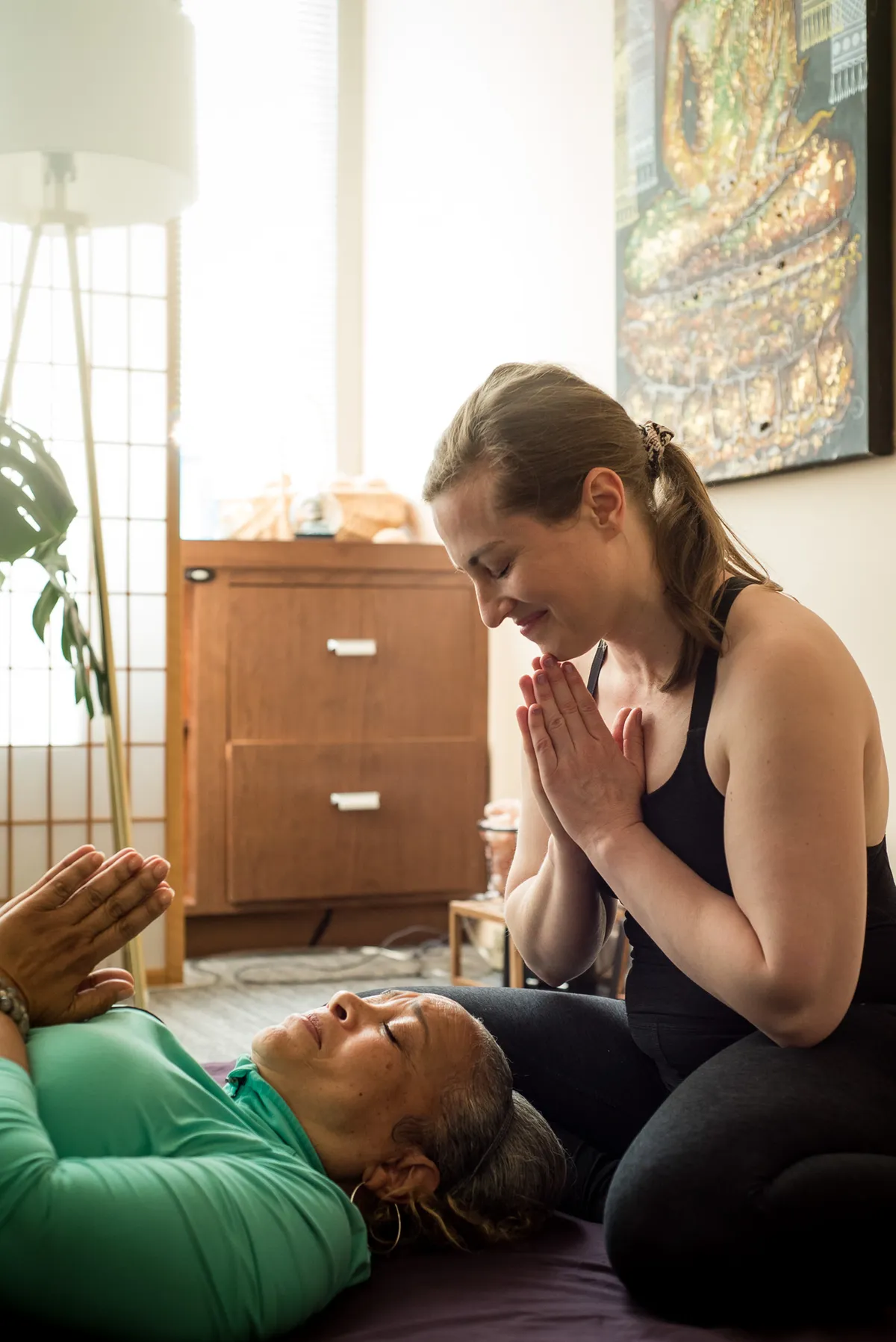
You already know how to give a good massage.
You've trained. You've worked with real bodies. You've learned techniques that work. And there are still those sessions where you're thinking:
Where do I begin?
What am I actually noticing?
Why am I choosing this technique?
Did what I just did change anything?
What should I do next?
Those are questions Jenelle kept asking in her own practice too. They're a big part of what eventually became The Woodlief Method.
For Practitioners Who Want More Than Another Sequence
You want your sessions to respond more specifically to the body in front of you.
You want assessment to feel fluid and useful instead of separate from the actual session.
You want more options than working around a massage table.
You want to understand relationships throughout the whole body, not only focus on the place that hurts.
You want your techniques to feel intentional rather than simply familiar.
You want your own body to last through a long career doing this work.
You do not need previous Thai massage or floor-work experience. Level 1 is designed for experienced massage therapists and other bodyworkers who already have a hands-on practice. It is not introductory massage training.
What Is The Woodlief Method?
The Woodlief Method grew out of years of asking a simple question:
How do we decide what to do next?
Rather than treating bodywork as a collection of techniques applied one body part at a time, the Method teaches practitioners to observe, move, feel, choose an intervention, listen to the response, reassess, and adapt.
See → Move → Feel → Question → Choose → Apply → Listen → Reassess → Adapt
You're still learning technique. You're also learning how to think with it.
What You'll Leave With
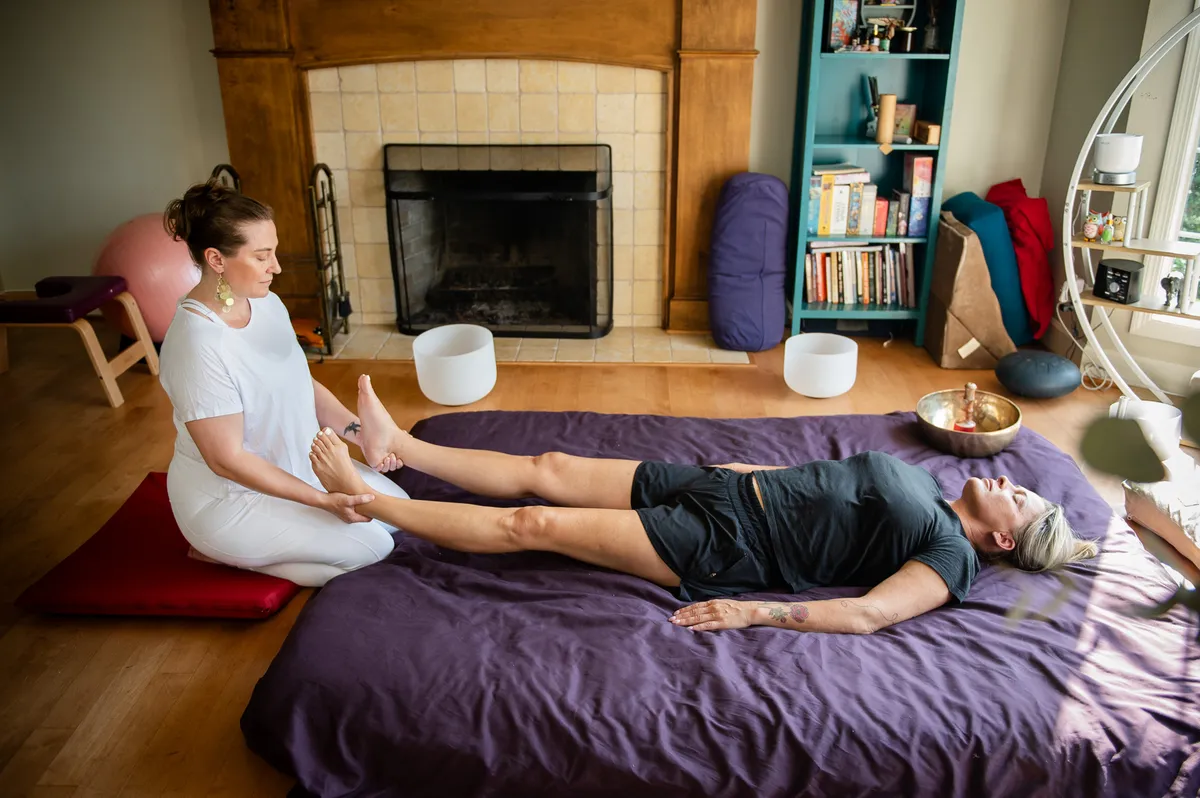
A clearer way to decide where to begin
More confidence choosing what to do next
Floor-based techniques you've had time to actually practice
New ways to use movement to gather information
More options for supine and side-lying treatment
Ways to use leverage, positioning, and body weight so your own body doesn't have to work so hard
You'll also practice techniques including compression, traction, passive movement, joint movement, muscle lengthening, positioning, leverage, and body-weight transfer.
15 Hours. Hands On.
Level 1 is built around doing the work, not sitting through a weekend of lectures.
Demonstrate → Practice → Receive → Observe → Repeat → Get Coached → Reassess
Practitioners will primarily work in groups of three so everyone has opportunities to practice, receive, and observe.
Maximum 12 practitioners.
The small cohort gives Jenelle time to actually watch you work, help you troubleshoot positioning and technique, and coach you throughout the weekend.
Competence Beats Quantity.
You'll work with a focused collection of techniques and concepts repeatedly rather than rushing through techniques you barely have time to experience.
What Makes This Training Different
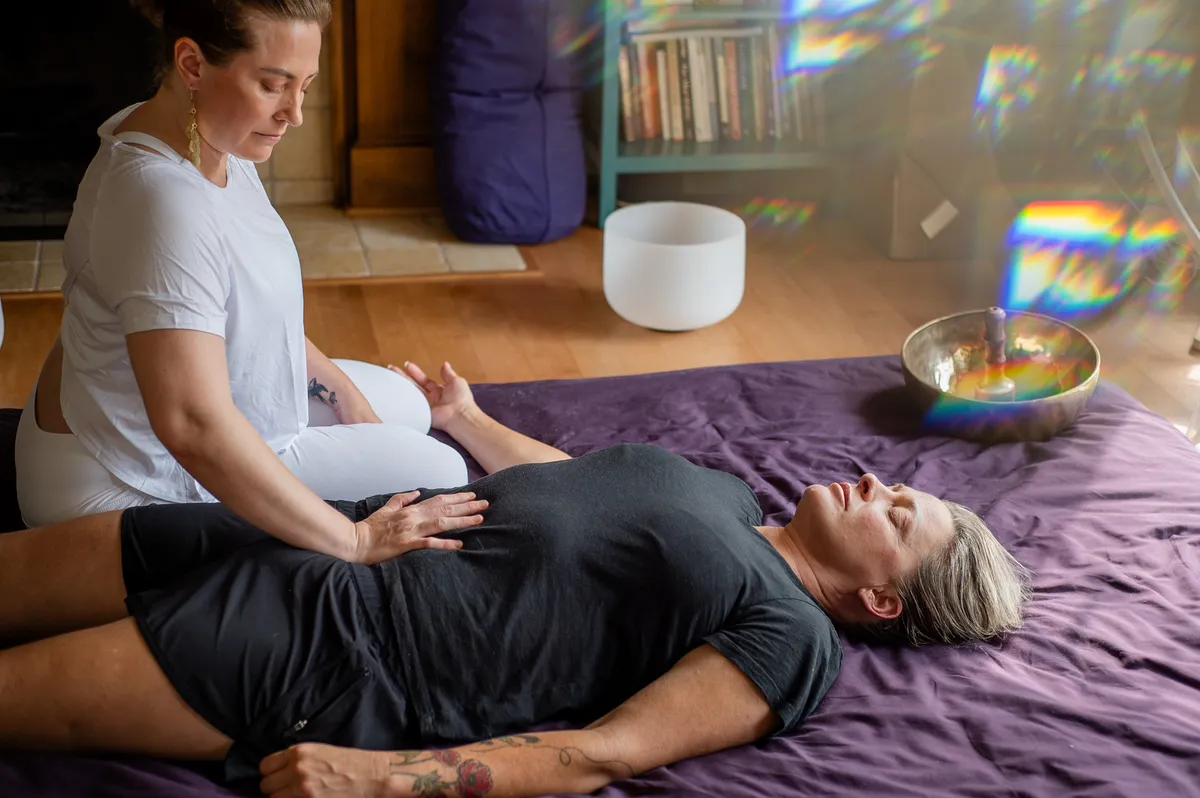
Technique + Decision-Making
You will learn specific hands-on techniques while also exploring why you're choosing them, what changes when you use them, and what that tells you about what to do next.
Movement as Information
Movement can help you gather information about how the body organizes, responds, adapts, and changes throughout the session.
Whole-Body Thinking
Where a client hurts matters, but it doesn't automatically tell you where treatment should begin. You'll practice becoming more specific about what you're actually seeing and feeling.
Work Smarter
Positioning, gravity, leverage, body weight, angle, and movement all influence what becomes possible.
Position before pressure. Geometry before force.
Why the Floor?
The floor isn't simply a different place to perform massage. It changes what becomes possible.
Move the client more easily
Move yourself more freely
Use side-lying extensively
Change angles
Create leverage
Use body weight
Stabilize one area while moving another
Incorporate movement directly into treatment
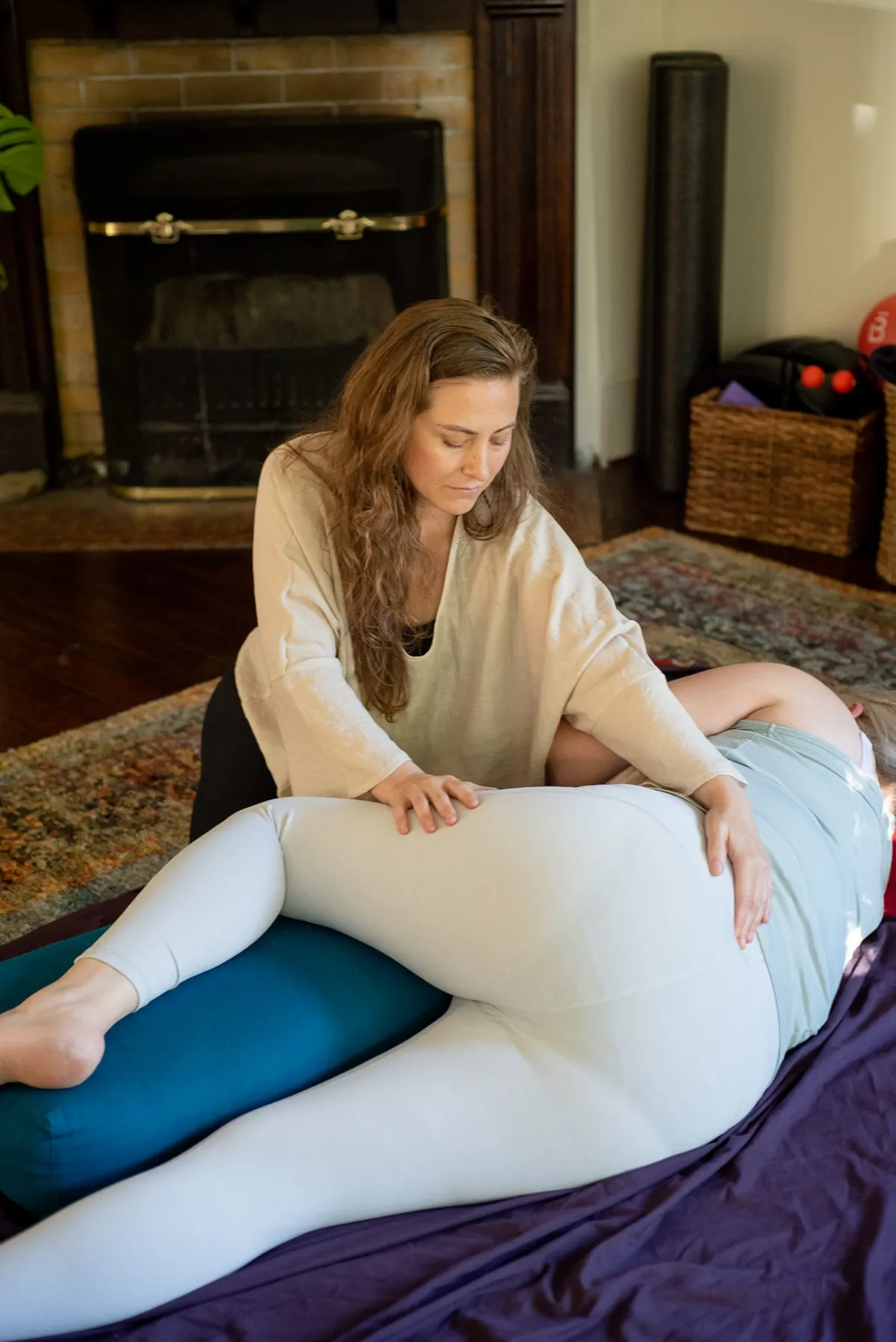
Side-Lying Is Not Just for Prenatal Massage
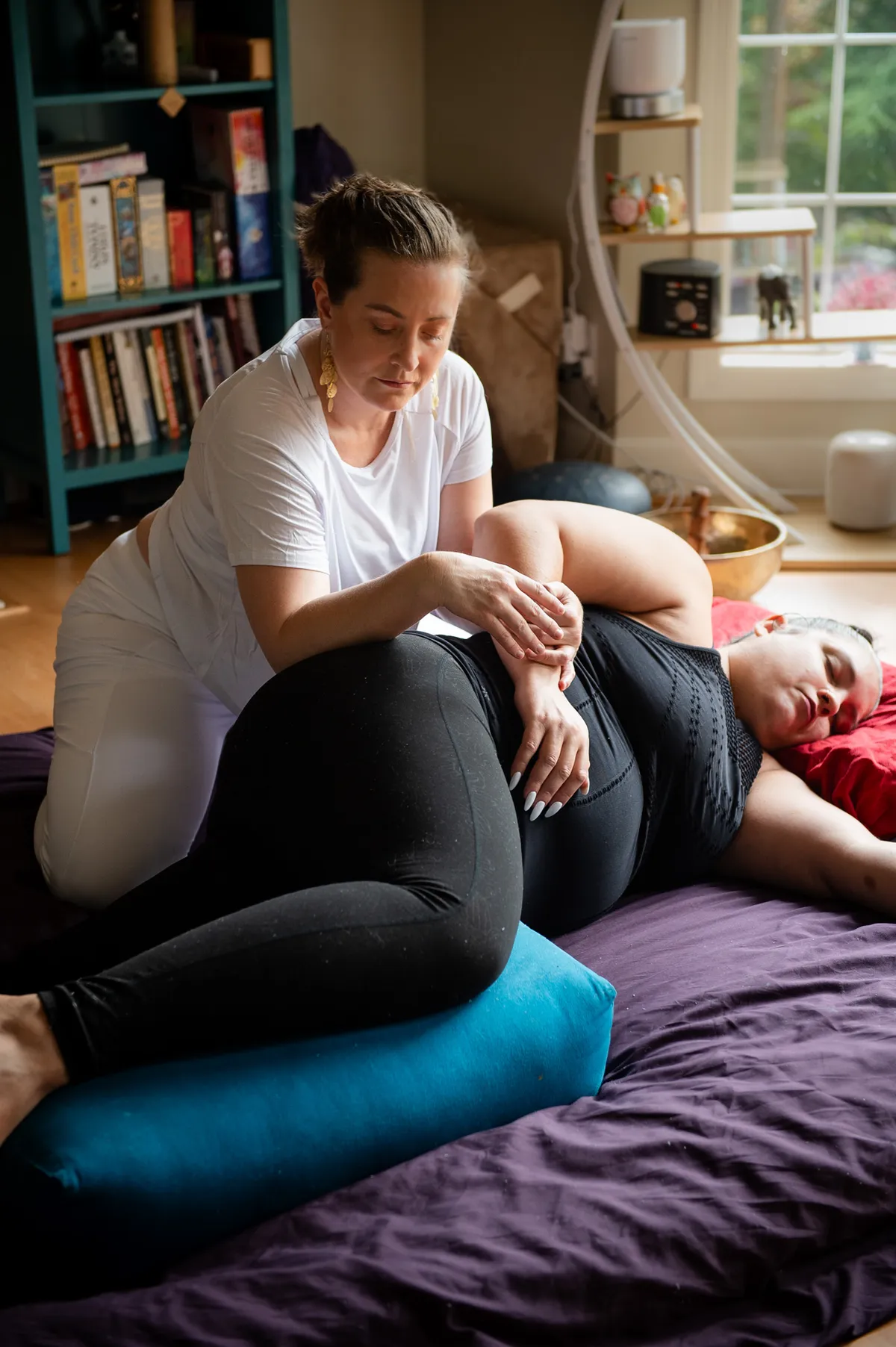
Side-lying gives practitioners access, movement, leverage, and treatment options that can be difficult to create in other positions. Level 1 uses both supine and side-lying work extensively.
You don't need previous floor-work experience, and what you learn about movement, positioning, leverage, and treatment decisions can influence your table work too.
FEATURED TEACHING TESTIMONIAL
I took a bodywork training with Jenelle and got so much out of it. The class was small, which I really appreciated because there was lots of individual attention, guidance, and opportunity to ask questions and practice.
Jenelle is such a great teacher. She has a gift for making complex concepts and techniques feel easy to understand and approachable. You can tell she's teaching from a place of real lived experience, and she shared so many practical tips — especially around body mechanics — that made the training feel incredibly useful and applicable.
What I loved most was how practical the training was. I would absolutely recommend Jenelle's training to anyone looking to deepen their understanding of the nervous system as it relates to bodywork and build more confidence in this bodywork techniques.
Becky Higginson, DC
What Practitioners Say About Jenelle
[Approved testimonial quote to be supplied by SFC]

[Approved testimonial quote to be supplied by SFC]
[Approved testimonial quote to be supplied by SFC]
Is Level 1 a Good Fit for You?
Level 1 is probably not the right fit if:
You are looking for introductory massage instruction.
You primarily want a large number of techniques without exploring why or when you use them.
You want a rigid treatment protocol to follow with every client.
You are not willing or able to participate in mat/floor-based hands-on work.
You are looking for training that diagnoses medical conditions outside a massage therapist's scope of practice.
Meet Your Instructor
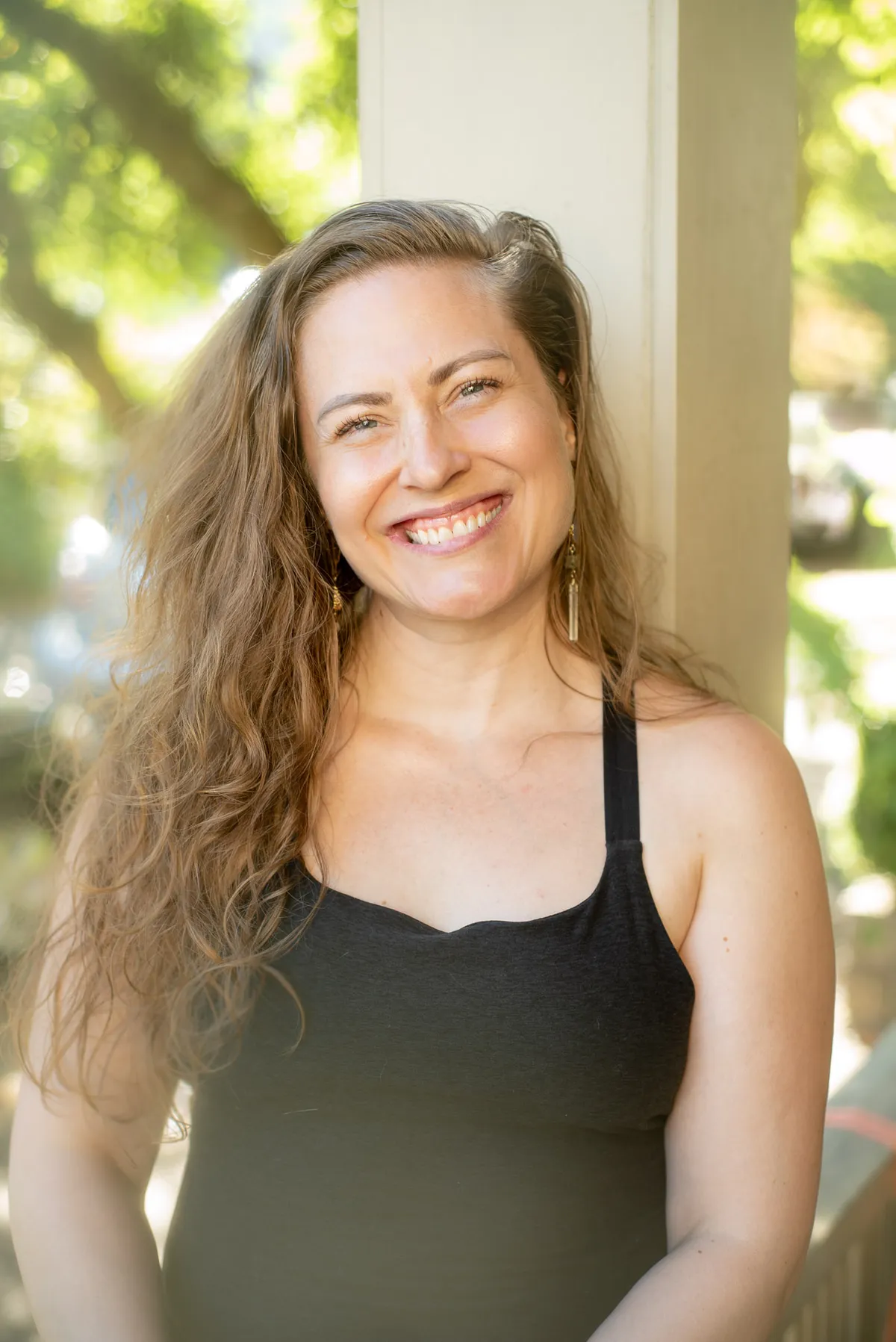
Jenelle Woodlief, LMT
Founder, The Woodlief Method
Jenelle has been teaching different pieces of this work for years. Level 1 is the first time she has brought those pieces together into the larger framework that shapes the way she actually practices.
Her approach has developed through years of hands-on practice, teaching, questioning, and integrating influences including traditional Thai massage, structural bodywork, movement, abdominal and diaphragmatic work, and nervous-system-informed and somatic approaches. Over time, those influences became a way of looking at the whole body, using movement as information, choosing techniques more intentionally, and paying close attention to what changes after an intervention. The Woodlief Method developed from years of practicing, questioning, teaching, and paying close attention to what actually changed.
Your Level 1 Weekend
November 7–8, 2026
10700 SW Beaverton Hillsdale Highway
Beaverton, Oregon
15 hours of in-person, hands-on training
15 OBMT Contact Hours
Maximum 12 practitioners
Keeping the group small allows for hands-on coaching, repetition, observation, and individual attention.
Reserve Your Place in Level 1
You're joining the first formal Level 1 training in The Woodlief Method.
$1,497
✓ 15 hours of hands-on training
✓ 15 OBMT Contact Hours
✓ Small-group instruction
✓ Maximum 12 practitioners
✓ Hands-on coaching with Jenelle
Frequently Asked Questions
Do I need Thai massage experience?
No. Previous Thai massage experience is not required. Level 1 will introduce the floor-based positioning, movement, and foundational techniques you need for the training.
Do I need previous floor-work experience?
No. You should be comfortable participating in a hands-on training where significant time will be spent working and moving on a mat.
Is this mostly technique or theory?
It is highly hands-on. Technique matters enormously in The Woodlief Method. You will learn and repeatedly practice specific techniques. At the same time, you will begin learning how observation, movement, positioning, client response, and reassessment influence why and when you use them.
Can I use what I learn if I usually work on a massage table?
Yes. The larger principles around observation, treatment decisions, movement, positioning, nervous-system responsiveness, technique selection, and reassessment can influence the way you practice beyond the mat. You will also leave with floor-based skills you can begin integrating when your practice setting allows.
Who is Level 1 designed for?
Level 1 is designed for practitioners who already have meaningful hands-on experience. You should have enough experience with clients to bring real questions about treatment, assessment, technique selection, and your own way of working into the training.
Who is Level 1 designed for?
Level 1 is designed for practitioners who already have meaningful hands-on experience. You should have enough experience with clients to bring real questions about treatment, assessment, technique selection, and your own way of working into the training.
Who is Level 1 designed for?
Level 1 is designed for practitioners who already have meaningful hands-on experience. You should have enough experience with clients to bring real questions about treatment, assessment, technique selection, and your own way of working into the training.
Will I receive continuing-education credit?
Yes. Level 1 includes 15 contact hours of continuing education for Oregon massage therapists through the Oregon Board of Massage Therapists (OBMT). Jenelle plans to apply to become an approved national continuing-education provider after the first Level 1 cohort. National CE approval is not yet available for this first training.
What are the physical requirements of the training?
Level 1 is a highly hands-on, floor-based training.
You should be comfortable spending significant portions of the weekend working on a mat, moving between different practitioner positions, and both giving and receiving hands-on bodywork.
The training may include:
Getting down to and up from the floor multiple times
Sitting, kneeling, and changing positions around a mat
Moving and positioning another participant with guidance
Receiving passive movement, compression, traction, stretching, and other hands-on techniques
Practicing in supine and side-lying positions
You do not need previous floor-work experience, and Jenelle will teach positioning and body mechanics from the beginning.
If you have an injury, mobility limitation, pregnancy, or another consideration that may affect your participation, please contact Jenelle before the training so you can talk through what the weekend involves and whether reasonable modifications are possible.
What should I bring?
Please come in comfortable clothing that allows you to move easily and participate in hands-on practice.
Jenelle will provide mats, sheets, blankets, pillows, bolsters, and towels.
We recommend bringing:
Comfortable, flexible clothing
Layers, since room temperature can vary during hands-on work
Water
A notebook and pen if you like to take notes
Lunch, snacks, or anything you personally need to stay comfortable throughout the day
Any personal supports you regularly use for floor-based work, if applicable
Lunch is not provided. An Asian food market and restaurants are nearby.
What time does training begin and end each day?
Level 1 includes 15 hours of in-person, hands-on training over November 7–8, 2026.
Saturday, November 7: 9:00 AM–5:00 PM, with a 30-minute lunch break
Sunday, November 8: 9:00 AM–5:00 PM, with a 30-minute lunch break
Please plan to arrive approximately 15 minutes before the first session so you have time to get settled before we begin.
There will be breaks throughout the day, including time for lunch.
What is the cancellation or transfer policy?
Because Level 1 is intentionally limited to a small number of practitioners, your registration reserves a space that may otherwise have gone to another participant.
If your plans change, please contact Jenelle as soon as possible.
14 or more days before the training: You may transfer your registration to another eligible practitioner or request a refund, less any nonrefundable payment-processing fees.
7–13 days before the training: Your registration may be transferred to another eligible practitioner, but tuition is nonrefundable.
Less than 7 days before the training or a no-show: Tuition is nonrefundable and nontransferable.
If The Woodlief Method needs to cancel the training, registered participants will receive a full refund of tuition paid or may choose to apply the amount toward a future training.
Any substitute participant must meet the eligibility requirements for Level 1.
The Woodlief Method is not responsible for travel, lodging, lost income, or other expenses related to attendance.
You Already Know How to Give a Good Massage.
What happens when you can see more?
Notice more of what the body is telling you. Choose your next move with more intention. Let what changes guide what happens next.
See more. Feel more. Move with intention. Work smarter.
Let the body show you what comes next.
November 7–8 • Beaverton • 15 OBMT Contact Hours